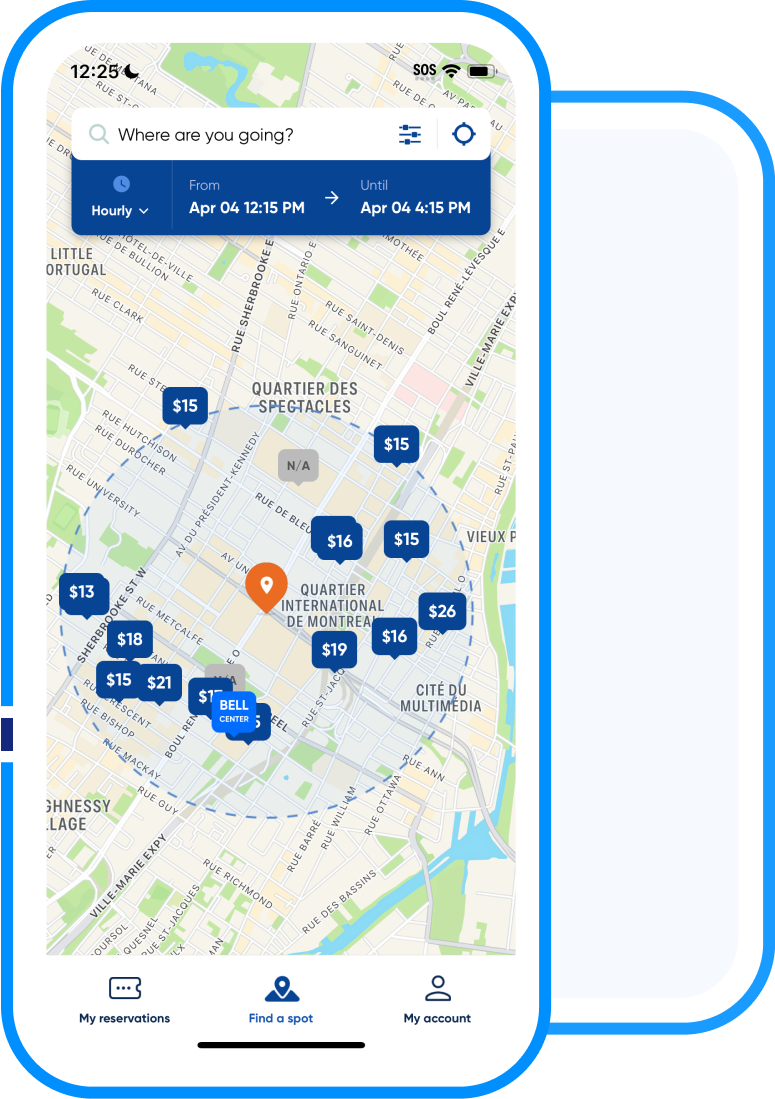
Understanding Shared Parking
Shared parking encapsulates an innovative approach to urban mobility, significantly contributing to environmental sustainability. Through the strategic use of automated parking systems and smart parking technologies, cities can optimize parking space, reducing the environmental footprint associated with traditional parking methods. By enhancing parking availability via parking sensors and real-time parking management, urban populations experience a seamless parking experience that alleviates vehicle congestion and reduces carbon emissions from gasoline-powered vehicles. As cities embrace shared mobility and the integration of electric vehicles (EVs) into their transportation systems, shared parking becomes a crucial element of sustainable transportation options. Urban planners can leverage these smart parking solutions to create greener transportation alternatives, making strides towards building smarter and more sustainable cities that prioritize efficient land use and enhance the overall quality of urban living.
Definition and Concept of Shared Parking
Shared parking represents a progressive approach in urban planning that enables multiple users to access parking facilities at different times. This concept is emerging as essential for promoting urban sustainability, particularly in densely populated urban environments. By utilizing existing parking garages more effectively, cities can reduce the need for constructing additional parking infrastructure, which often contributes to vehicle emissions and urban heat island effects. Factors such as peak parking hours can be managed through smart parking systems that provide real-time parking availability, ensuring maximum space efficiency and reducing the hassle of searching for individual parking spaces.
The integration of smart parking technology enhances the overall parking experience for urban residents. With features like IoT-enabled parking solutions and parking meters that accept digital payments, users benefit from seamless parking experiences. This shift not only streamlines the parking process but also supports car-sharing services that further decrease reliance on single-occupancy vehicles. Such sustainable parking practices, including the use of porous asphalt and solar panels in parking garage designs, empower city planners to foster livable cities while significantly mitigating the carbon footprint associated with urbanization and vehicle circulation.
Benefits of Implementing Shared Parking
Implementing shared parking: a smart solution to reduce carbon footprint and optimize urban space brings a multitude of benefits to urban environments. This approach enhances overall parking efficiency by allowing multiple vehicles to utilize the same space at various times. With the integration of smart parking facilities and the use of parking data, facility managers can monitor parking patterns and availability, ensuring efficient space utilization. As a result, drivers enjoy a hassle-free parking experience with reduced parking fees and simplified parking payments through mobile applications. This contributes to a more sustainable transportation system while decreasing carbon emissions associated with vehicle congestion in urban settings.
Shared parking promotes innovative solutions for rapid urbanization and aligns with the goals of smart cities. By utilizing extensive parking infrastructure, such as multi-level parking garages and park-and-ride facilities, cities can optimize urban operations and provide various parking options for authorized vehicles. The implementation of eco-friendly designs and sustainable energy practices further supports a sustainable environment while ensuring secure storage for bicycles and vehicles. As smart city infrastructure evolves, technologies like RFID-based parking tags and smart streets will enhance urban efficiency, leading to a sustainable approach to urban parking and ultimately reducing associated emissions in future cities.
Environmental Impact of Shared Parking
Shared Parking: A Smart Solution to Reduce Carbon Footprint and Optimize Urban Space presents a transformative approach to urban living by addressing the challenges of cars and their environmental impact. This innovative solution leverages urban technology to ensure efficient parking management, allowing for better space allocation and facilitating the availability of secure bike racks. By enabling vehicles to pass through designated lanes with real-time parking status updates, Shared Parking effectively reduces vehicle congestion, decreasing gas emissions that contribute to carbon footprints. By integrating autonomous vehicles into this model, parking operators can streamline processes that traditionally relied on physical parking tickets, paving the way for sustainable alternatives in traffic management. The environmental advantages become apparent as urban services evolve to meet the needs of communities, making significant strides toward lowering carbon emissions and promoting a healthier urban landscape.
How Shared Parking Reduces Carbon Footprint
Shared Parking: A Smart Solution to Reduce Carbon Footprint and Optimize Urban Space aims to transform the traditional parking landscape by enhancing the efficiency of available parking spaces. By consolidating the use of these spaces, this approach allows vehicles to pass through urban areas with reduced congestion. This efficiency not only optimizes space availability but also contributes to a significant decrease in carbon emissions associated with unnecessary idling and driving in search of parking.
The implementation of sustainable parking control measures within shared parking systems ensures that unauthorized vehicles do not occupy essential spaces. This regulation leads to shorter times vehicles spend on the road and improves the overall flow of traffic. By embracing Shared Parking: A Smart Solution to Reduce Carbon Footprint and Optimize Urban Space, cities can create a more environmentally friendly urban environment while also enhancing the convenience for drivers.
Role of Shared Parking in Promoting Sustainable Urban Living
Shared parking serves as an innovative approach to fostering sustainable urban living. By allowing multiple users to share parking spaces, this system optimizes urban space and reduces the time vehicles pass in search of an available spot. The efficiency gained through shared parking not only leads to a decrease in carbon emissions, but it also encourages a shift towards more environmentally friendly transportation options, aligning with the principle of Shared Parking: A Smart Solution to Reduce Carbon Footprint and Optimize Urban Space.
Communities benefit greatly from the integration of shared parking in their urban planning strategies. This approach promotes higher usage rates of existing parking facilities, thereby minimising the need for additional infrastructure. As residents and visitors adopt shared parking solutions, they contribute to a collective effort to decrease carbon emissions while enhancing the overall quality of urban life. The positive impact of shared parking on sustainable living underscores its role as a key element in contemporary urban development strategies.
Optimizing Urban Space with Shared Parking
Shared Parking: A Smart Solution to Reduce Carbon Footprint and Optimize Urban Space offers innovative strategies for better resource allocation in urban environments. By leveraging existing parking facilities, cities can enhance accessibility while minimizing the need for new infrastructure. This approach not only alleviates traffic congestion but also reduces the urban heat island effect, thereby contributing positively to the local ecosystem. Enhanced utilisation of shared spaces allows for a more efficient distribution of vehicles, resulting in decreased emissions and improved air quality. As urban areas continue to expand, embracing shared parking solutions becomes essential for fostering sustainable growth and creating more livable cities.
Effective Use of Available Parking Resources
Optimizing urban environments often involves tackling the challenge of parking resource allocation. Shared Parking: A Smart Solution to Reduce Carbon Footprint and Optimize Urban Space facilitates a more efficient use of existing parking spots by allowing different users to share the same space at different times. This strategy not only decreases the need for additional parking infrastructure but also eases congestion and reduces the overall demand for land dedicated solely to parking.
Implementing shared parking systems requires careful planning and collaboration among stakeholders. Successful initiatives demonstrate how Shared Parking: A Smart Solution to Reduce Carbon Footprint and Optimize Urban Space can harmonize various needs within a community. By coordinating resources and schedules, cities can transform underutilized parking areas into accessible spaces that cater to diverse users, thus promoting a more sustainable urban landscape.
Case Studies on Urban Space Optimization Through Shared Parking
Case studies across various urban settings illustrate the effectiveness of shared parking as a smart solution to reduce carbon footprint and optimize urban space. In Toronto, a pilot project implemented shared parking in underutilized lots during off-peak hours. This initiative not only maximized space usage but also alleviated congestion and reduced emissions, demonstrating the potential of shared parking to transform urban landscapes.
A significant example can be seen in Montreal, where the integration of shared parking within residential complexes has led to a more efficient use of parking resources. By allowing surrounding businesses to access these spaces during non-residential hours, the initiative reduced the need for new parking infrastructure. Such case studies highlight how shared parking serves as a smart solution to reduce carbon footprint and optimize urban space, ultimately contributing to a more sustainable urban environment.
Challenges in Implementing Shared Parking
Numerous challenges can hinder the successful implementation of shared parking systems, which are heralded as Shared Parking: A Smart Solution to Reduce Carbon Footprint and Optimize Urban Space. One significant obstacle is the need for collaboration among various stakeholders, including property owners, city officials, and local businesses. These parties must align their interests and negotiate agreements to facilitate effective shared usage. Concerns regarding liability, maintenance costs, and managing user access can also complicate the process. Regulatory barriers often present additional complexities, as zoning laws and parking ordinances may not readily accommodate innovative shared parking solutions. Addressing these challenges is crucial to realising the full potential of shared parking in urban development.
Common Obstacles and Their Solutions
One significant obstacle to the implementation of Shared Parking: A Smart Solution to Reduce Carbon Footprint and Optimize Urban Space is the lack of awareness among potential users. Many individuals and businesses remain unaware of how shared parking arrangements can enhance convenience and reduce costs. To address this challenge, targeted education campaigns can be developed. These campaigns should focus on showcasing the environmental and economic benefits of shared parking, thereby encouraging more stakeholders to participate in these initiatives.
Another challenge involves the coordination among various entities, such as municipalities, private parking operators, and users. Effective communication and collaboration are essential to create a seamless shared parking system. Developing a centralized platform that provides real-time data on available parking spaces can streamline this process. By doing so, Shared Parking: A Smart Solution to Reduce Carbon Footprint and Optimize Urban Space can become more efficient, fostering greater adoption among urban populations.
Regulatory and Policy Considerations
Effective regulatory frameworks are essential for the successful implementation of shared parking initiatives. Policymakers must recognize Shared Parking: A Smart Solution to Reduce Carbon Footprint and Optimize Urban Space as a vital component of urban planning. This involves creating guidelines that facilitate collaboration between private and public sectors, encouraging property owners to participate in shared parking arrangements. Engaging communities in discussions about these regulations helps build support and fosters a more sustainable urban environment.
Consideration of zoning laws and local ordinances is crucial as well. Existing regulations may hinder the integration of shared parking solutions in certain areas. Recognizing this, policymakers need to adapt current policies to support Shared Parking: A Smart Solution to Reduce Carbon Footprint and Optimize Urban Space. Streamlining approval processes for shared parking initiatives can remove barriers and promote more efficient use of urban space, resulting in positive environmental impacts.
Conclusion
The concept of shared parking embodies a transformative approach to urban mobility, directly contributing to the reduction of carbon footprints and the optimisation of urban spaces. By enabling multiple users to access parking resources efficiently, shared parking fosters a sense of community while alleviating the pressures of urban congestion. As cities grapple with sustainability challenges, implementing shared parking emerges as a practical strategy that aligns with environmental goals. This innovative solution not only enhances accessibility but also promotes responsible land use, proving that shared parking is indeed a smart solution to reduce carbon footprint and optimize urban space.